Jumping out of a plane, climbing a mountain or making a life-altering decision … risk-taking isn’t everyone’s cup of tea. There are those who do and those who don’t. John and Heather Kane’s chestnut tree vineyard falls into the former category.
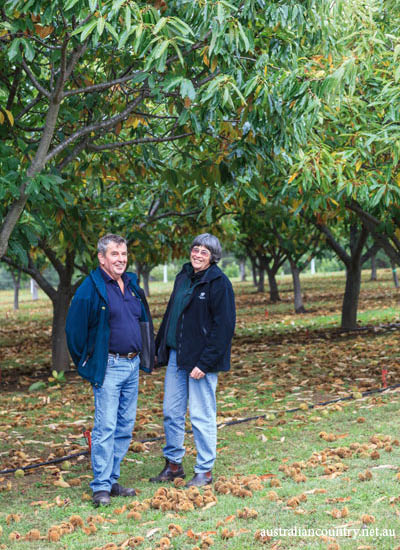
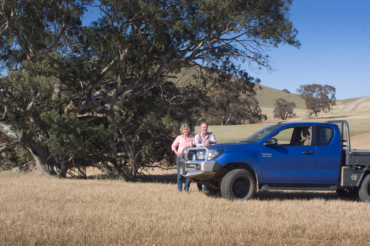
Around 30 years ago, they threw caution to the wind, swapped their urbane Canberra abode for a rural property in Hoskinstown, New South Wales, and took the plunge. At the time, both had high-flying careers in the science department of the Australian National University and had little to do with chestnuts. But fortunately for this couple, they’re extremely quick learners.
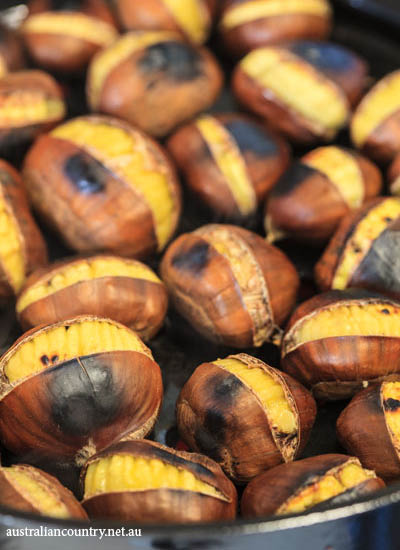
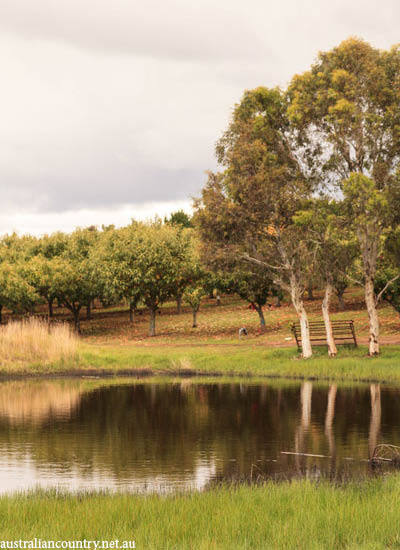
“John was initially keen to establish a vineyard, but after researching and planning one, he foresaw there would be an excess of wine grape production in coming years and started to look at other options,” Heather recalls. “Nuts, hazelnuts or chestnuts were his next choice and after further investigation, and believing some of the figures produced by the industries, opted to trial chestnuts.”
Although the couple moved to the farm in the mid-’80s, the first chestnut plantings did not occur until in 1997 and Tweenhills Chestnuts was born.
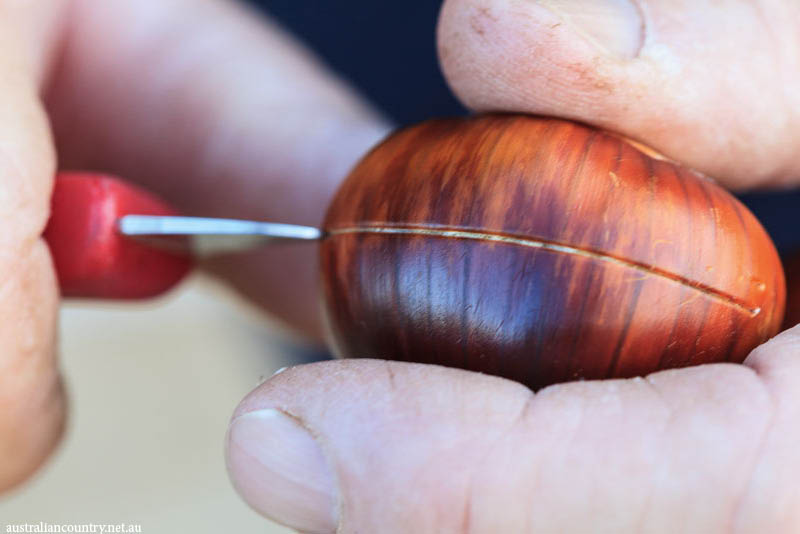
“Through careful management and lots of blood, sweat and tears, the trees have flourished,” Heather says. “We started out with 500 trees but now we have thousands, and production is in excess of 10 tonnes. Now we are thinning out the trees to enable them to develop good shape and allow light penetration to the groundcover grasses.” and allow light penetration to the groundcover grasses.”
But the transition from science to chestnuts hasn’t all been easy sailing. This tenacious husband and wife team has variously endured droughts, unwanted vermin and a house that rocked during wind storms.
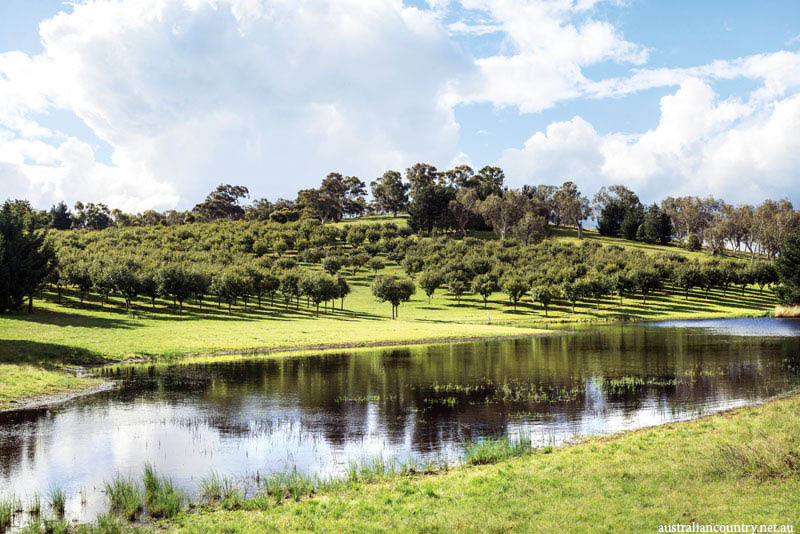
“When we first arrived the house was on a bare 40-acre block,” Heather says. “The only trees were some old eucalypts. Windbreaks of acacia were quickly planted and later replaced with cypress and pines. The first couple of years were certainly challenging until we built another dam and sorted out the fencing.”
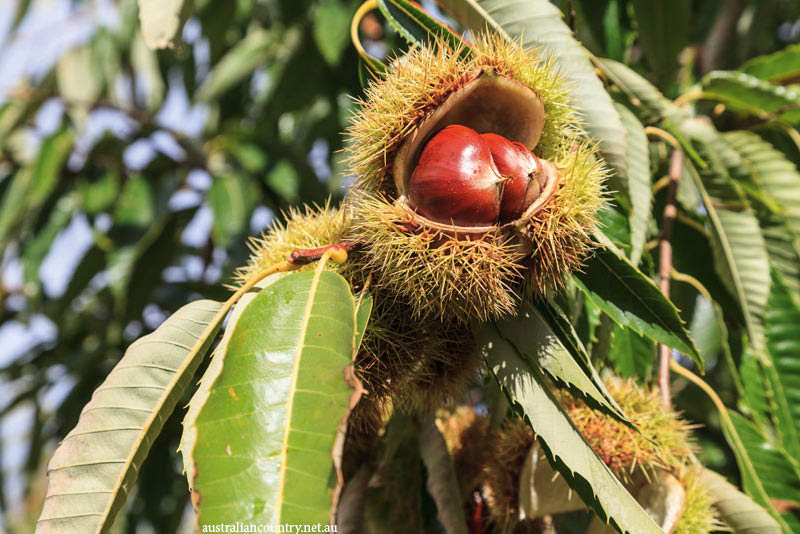
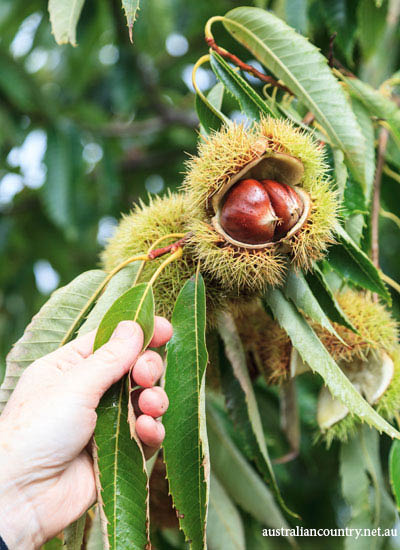
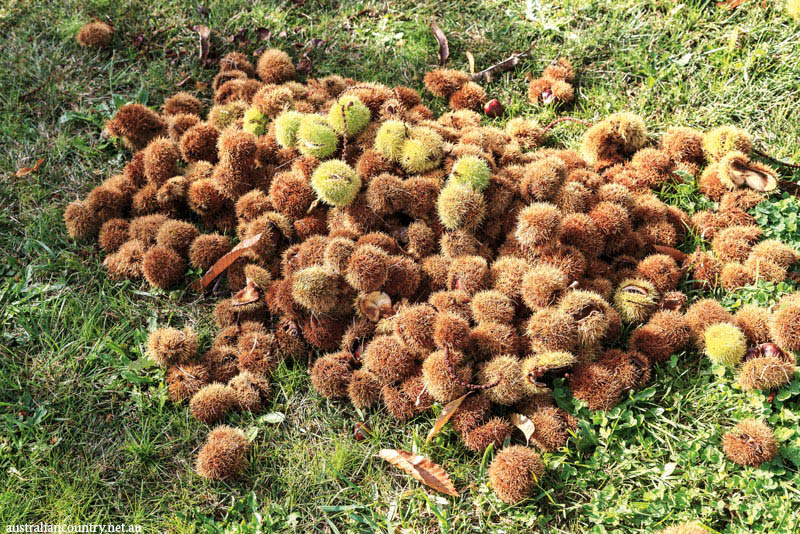
For many years they picked the chestnuts by hand, an onerous task that was only supplanted by mechanical harvesters in 2001. The harvesting process is back-breaking work that takes around two months, from mid-March until early May. When harvested, the many varieties of chestnuts (De Coppi Marone, Bouche de Betizac and Red Spanish) are transferred to an industrial cooler.
The complete story was originally published in Australian Country issue 16.2. Click here to subscribe to our magazine.
Click here for more farm-life stories.
Words Siobhan O’Brien
Photography Ken Brass